
Patient Education
Featured Articles
Helpful and Informative Resources
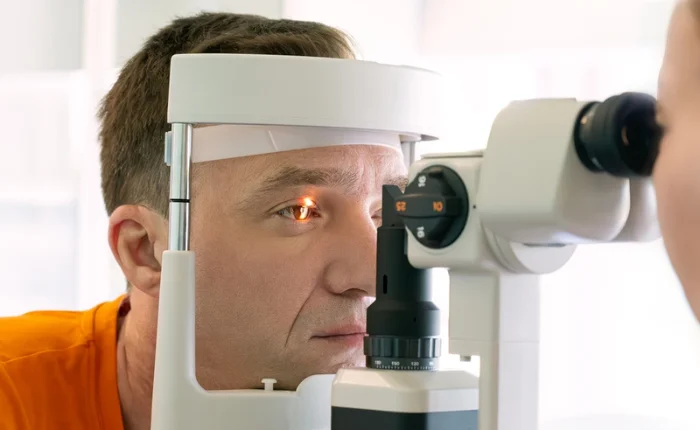
Regular eye exams are particularly important if glaucoma runs in your family. Although a family history doesn't automatically mean that you'll develop this eye disease, it does increase your risk. Early detection is the best way to prevent or minimize vision loss caused by glaucoma.

When your glasses don't seem to improve your vision as well as they once did, diabetes could be to blame. High blood sugar or changes in blood vessels inside your eyes can cause blurry vision. Luckily, a visit to your optometrist can help you determine if you really need a new pair of glasses.

Eyeglasses are designed to handle some wear and tear, but they're not indestructible. Taking good care of your glasses is one of the easiest ways to protect your vision and your investment. These tips will help you extend the life of your eyewear.
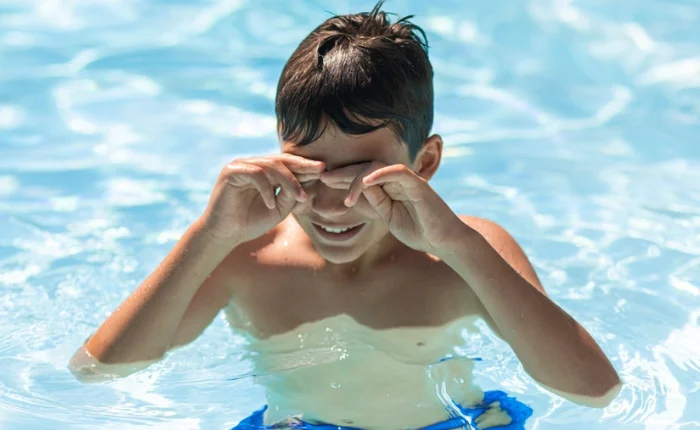
Do your eyes feel dryer than usual? Summer weather may be to blame for dryness, redness, burning, itching, blurry vision, and other dry eye symptoms. Understanding the triggers that cause dry eye symptoms and learning what you can do about them could make your summer much more comfortable.

Dealing with an eye problem probably isn't on your to-do list this summer. Unfortunately, eye injuries don't stop just because the weather is warm. Following these summer eye tips can help you avoid common summer eye issues.
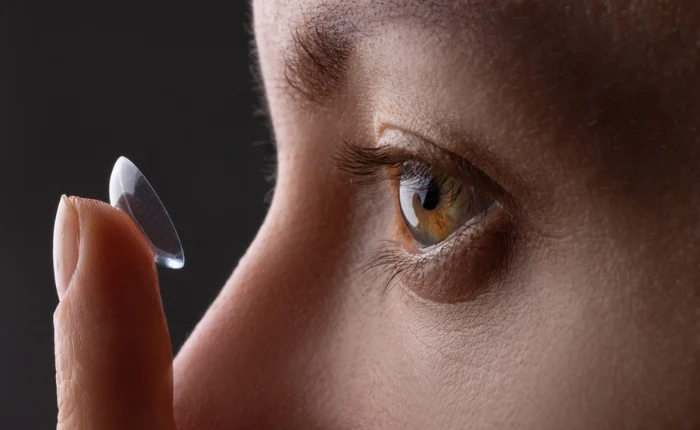
Would you like to try contact lenses but can't wear commonly available options? Specialty contact lenses may offer a good alternative. These lenses are specially designed for people whose vision conditions or symptoms make wearing traditional contact lenses uncomfortable or impossible.

A nutritious diet is essential for the health of every part of your body, including your eyes. Food contains nutrients that support your immune system, repair tissues, and reduce your risk of diseases. Eating a healthy diet could even help you avoid vision loss.

An eye injury can change your life in an instant and could even cause permanent vision loss. Fortunately, it's easy to prevent eye injuries by taking a few simple steps.
A dramatic change in vision isn't the only sign you may need new eyeglasses. In fact, vision changes can happen gradually and may be very subtle at first. Knowing when to update your prescription will help you avoid blurry vision and eyestrain.
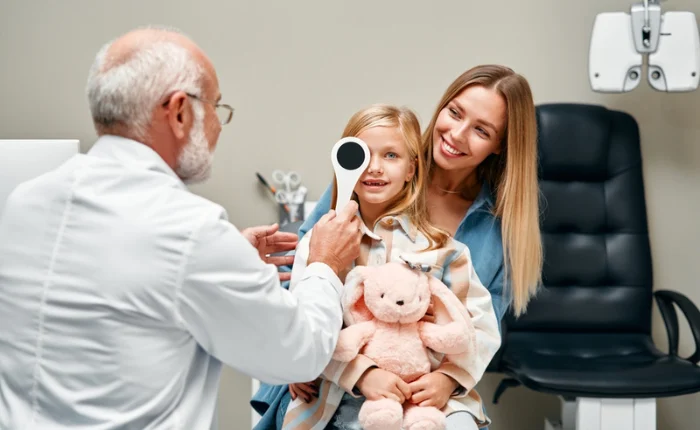
Does your child see the eye doctor every year? According to the American Optometric Association, children should receive a comprehensive eye exam between 6 to 12 months, another eye exam between ages 3 -5, and annual exams starting before first grade and continuing to age 18. Annual eye exams are essential for kids for many reasons.


- Monday 8:00 am - 5:30 pm
- Tuesday 8:00 am - 5:30 pm
- Wednesday 8:00 am - 5:30 pm
- Thursday 8:00 am - 5:30 pm
- Friday 8:00 am - 5:30 pm
- Saturday By Appointment Only
- Sunday Closed
- Monday 8:30 am - 6:00 pm
- Tuesday 8:30 am - 6:00 pm
- Wednesday 8:30 am - 6:00 pm
- Thursday 8:30 am - 6:00 pm
- Friday 8:30 am - 6:00 pm
- Saturday By Appointment Only
- Sunday Closed
© 2026 Riviera Opticare. All rights Reserved. Accessibility Statement - Privacy Policy - Sitemap
Managed and Designed By
